Hi Sally,
It sounds like the children had a wonderful day on the island. Wish we could join them. Our Class had a great day at Shapwick last week doing some pond dipping. We found over 20 different species.
The children are busy doing their SATs this week but I will try to get them on-line soon.
Nina
Tuesday, 12 May 2009

Monday, 20 April 2009
Grand Anse EcoAride Club Visit Aride
On the last day of term over 30 children from the EcoAride Club at Grand Anse Primary School were given a real treat, courtesy of La Reserve Hotel. The club which meet every Tuesday during Extracurricular time have more members than ever this year and they are all keen to learn about Aride Island and its special wildlife. La Reserve kindly offered the use of their boat at a greatly reduced rate to enable the children to come out to the island and experience the wildlife first hand. So far they have only been able to hear about it from the Sally and teachers, or see and read about it from pictures and books, but last Friday they experienced it for themselves.

Close to the beginning of the breeding season, the children were greeted by flocks of sooty terns circling above the hill nosily, together with numerous pairs of fairy terns flying in formation as they dance over head, their white plumage perfectly lit up against the pure blue sky.


 Projects this year for the children back at school will include writing articles and poems about their day on Aride, creating a model of the island marking on where the different species of wildlife live, and writing an information panel on the history of the copra house that can still be seen on the island today, from the times when it was a coconut plantation. To do the latter they hope to conduct interviews with people that worked on Aride at the time.
So don’t forget to keep watching...
Close to the beginning of the breeding season, the children were greeted by flocks of sooty terns circling above the hill nosily, together with numerous pairs of fairy terns flying in formation as they dance over head, their white plumage perfectly lit up against the pure blue sky.
At this time of year especially, the island is a live with wildlife, and as young wildlife explorers the children were able to see young tropic birds at their feet, and fairy tern chicks at eye level.
Shearwater chicks snuggled into burrows and magpie robins came and fed on cleared ground in front of them, skinks and crabs played around their feet, the smell of the Wright’s Gardenia flower greeted them as they walked into the garden, geckos skulked on the trees protecting their eggs and lesser noddys croaked in unison as they walked along the paths.
They also found out about the social history of the island, about the Copra house and the Lodge and how the inhabitants used to use wooden boats to get supplies, not like the same inflatable ribs of today.  They learnt about island life, with no running water and at times no electricity, about the importance of the garden and of growing food especially for the times when the sea is too rough to launch the boat to get to Praslin. There was time for relaxing too, as the children had lunch in the visitors shelter and a chance to enjoy the sand fly free beach and the waves for which Aride is known.
They learnt about island life, with no running water and at times no electricity, about the importance of the garden and of growing food especially for the times when the sea is too rough to launch the boat to get to Praslin. There was time for relaxing too, as the children had lunch in the visitors shelter and a chance to enjoy the sand fly free beach and the waves for which Aride is known.Projects this year for the children back at school will include writing articles and poems about their day on Aride, creating a model of the island marking on where the different species of wildlife live, and writing an information panel on the history of the copra house that can still be seen on the island today, from the times when it was a coconut plantation. To do the latter they hope to conduct interviews with people that worked on Aride at the time.So don’t forget to keep watching...
Thursday, 2 April 2009
Pupils at Grand Anse Primary School choose the Environment
We had a great start to the new term here in Seychelles, it was excellent news to see that the Environmental Clubs for extracurricular studies proved to be one of the most popular with the young people of Grand Anse Primary School. In comparison to last year over double the number of children have signed up for the Eco-Aride club; totalling to an amazing 33 students.
 So far I have been working with the children in the Eco-Aride club looking at some of the amazing wildlife that is on the special island, from the sooty terns to the skinks, and the fairy terns too the frigate birds. The children have been learning about who eats who, by producing food webs and chains, and playing the food web game. Then there is adaptation, how special the fairy tern is, how they don’t build a nest but have extra long claws to hold on to the branch where it chooses to lay its egg.
Last the week the group have started to build a model of the island for their school, through the model they will be able to show other pupils where the different wildlife lives. There are four main habitats on Aride; the sea, the beach, the plateau and the hill and the children will position which wildlife lives where and why.
All this work will be rewarded later this month as plans have been made for the group to come out to the island, where they will see all these things for real. This trip is being made possible by the generosity of La Reserve Hotel who is providing the use of their boat at a much subsidised rate so the children are able to benefit from their local environment and learn how special places like Aride are. With the provision of the boat it will mean that all 33 children and accompanying teachers will be able to make the trip. It will be excellent for the club to visit the island so early on in their studies as they will then be able to undertake a number of projects back at school based on what they have seen and learnt on the day.
Lots of projects are planned – so watch the bog to see how the day goes and news on what the Eco-Aride club is up to.
So far I have been working with the children in the Eco-Aride club looking at some of the amazing wildlife that is on the special island, from the sooty terns to the skinks, and the fairy terns too the frigate birds. The children have been learning about who eats who, by producing food webs and chains, and playing the food web game. Then there is adaptation, how special the fairy tern is, how they don’t build a nest but have extra long claws to hold on to the branch where it chooses to lay its egg.Last the week the group have started to build a model of the island for their school, through the model they will be able to show other pupils where the different wildlife lives. There are four main habitats on Aride; the sea, the beach, the plateau and the hill and the children will position which wildlife lives where and why.
All this work will be rewarded later this month as plans have been made for the group to come out to the island, where they will see all these things for real. This trip is being made possible by the generosity of La Reserve Hotel who is providing the use of their boat at a much subsidised rate so the children are able to benefit from their local environment and learn how special places like Aride are. With the provision of the boat it will mean that all 33 children and accompanying teachers will be able to make the trip. It will be excellent for the club to visit the island so early on in their studies as they will then be able to undertake a number of projects back at school based on what they have seen and learnt on the day.
Lots of projects are planned – so watch the bog to see how the day goes and news on what the Eco-Aride club is up to.
Friday, 6 March 2009
Meare school bird watch
1 Blackbird
1 Blackheaded gull
2 Blue Tits
1 Chaffinch
2 Collared Doves
19 Crows
1 Great Tit
9 House Sparrows
1 Magpie
2 Pied Wagtails
1 Robin
100 Starlings
1 Blackheaded gull
2 Blue Tits
1 Chaffinch
2 Collared Doves
19 Crows
1 Great Tit
9 House Sparrows
1 Magpie
2 Pied Wagtails
1 Robin
100 Starlings
Monday, 9 February 2009
Great Poems
Hey Children,
The poems about Ham Wall are great and really brought back memories of the Uk and the reserve.
Many thanks
Sally
The poems about Ham Wall are great and really brought back memories of the Uk and the reserve.
Many thanks
Sally
Sunday, 8 February 2009
Big Garden Birdwatch on Aride Island
Hi Children
I hear that you recently did the RSPB Big Garden Birdwatch in school, well just for fun I thought I would do the same on the Aride and then you can compare the birds that I saw in an hour looking out of my imaginary window with yours!
My list goes like this:
1. Greater Frigate bird = 58
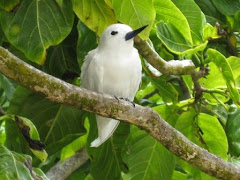
2. Fairy tern = 46
3. Bridled tern = 6
4. Sooty tern = 2
5. Turnstone = 6
6. Lesser noddy = 19
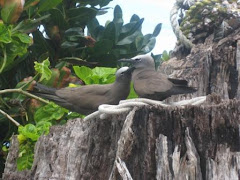
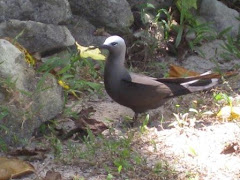
7. Brown noddy = 16
8. White-tailed tropic bird = 6
9. Seychelles magpie robin = 2
10. Seychelles warbler = 1
11. Seychelles sunbird = 2
12.Tok tok (Seychelles fody) = 5
13. Moorhen = 2
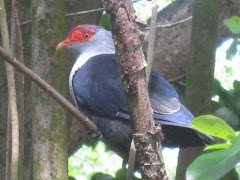
14. Blue pigeon = 5
15.Madagascar turtle dove = 1
16.Madagascar fody = 1
.png)
I hear that you recently did the RSPB Big Garden Birdwatch in school, well just for fun I thought I would do the same on the Aride and then you can compare the birds that I saw in an hour looking out of my imaginary window with yours!
My list goes like this:
1. Greater Frigate bird = 58
2. Fairy tern = 46
3. Bridled tern = 6
4. Sooty tern = 2
5. Turnstone = 6
6. Lesser noddy = 19
7. Brown noddy = 16
8. White-tailed tropic bird = 6
9. Seychelles magpie robin = 2
10. Seychelles warbler = 1
11. Seychelles sunbird = 2
12.Tok tok (Seychelles fody) = 5
13. Moorhen = 2
14. Blue pigeon = 5
15.Madagascar turtle dove = 1
16.Madagascar fody = 1
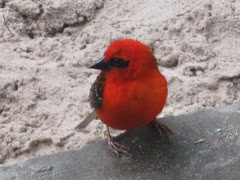
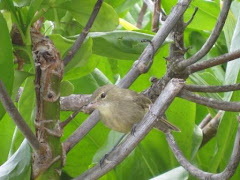
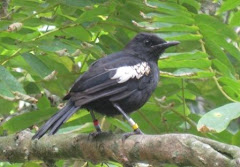
I have put some pictures of the birds down on the right hand side as they will all be new to you as none of them are found in the UK, by exception of the turnstone and moorhen, but the ones in the Seychelles are slightly different.
Have fun comparing
Best wishes
Sally
Thursday, 5 February 2009
Ham wall cracker
hi sally this is a poem I wrote about ham wall.
Ham wall is...
The sound of rushing rivers,
a gentle breeze,
a land of ever-living.
Ham wall is...
The rythmic beating of wings,
a sky of pink cotton candy,
a magical new world.
Ham wall is...
Rain; like spiders creeping up my arms,
a blinding sunset,
the whispering wind.
By Charley Baker
from Meare school
Ham wall is...
The sound of rushing rivers,
a gentle breeze,
a land of ever-living.
Ham wall is...
The rythmic beating of wings,
a sky of pink cotton candy,
a magical new world.
Ham wall is...
Rain; like spiders creeping up my arms,
a blinding sunset,
the whispering wind.
By Charley Baker
from Meare school
Ham wall is
Hi sally this is my poem of ham wall. Hope you like it!!!
Ham wall is
A dragonfly pit stop
A bubble bath for fish
A wild party
A big wash
Ham wall is
A disco for trees
A relaxation for clouds
An ever lasting home
A ladybird's dream
Ham wall is
by rowan
Ham wall is
A dragonfly pit stop
A bubble bath for fish
A wild party
A big wash
Ham wall is
A disco for trees
A relaxation for clouds
An ever lasting home
A ladybird's dream
Ham wall is
by rowan
Ham Wall Magic
Hi Sally this is my poem i wrote about ham wall,
Ham Wall Magic
Munching, crunching
wind whistling,
a river winding into the distance
Gushing, gurgling
insect hotel,
the Tor rising from the mist
Tweeting, twittering
bird safari,
trees coming out of your ears
Rumbling , whirring
swan pathway,
nature's best friend for life
That's Ham Wall Magic!!!!
By Josephine Billany
From Meare Village Primary School
Ham Wall Magic
Munching, crunching
wind whistling,
a river winding into the distance
Gushing, gurgling
insect hotel,
the Tor rising from the mist
Tweeting, twittering
bird safari,
trees coming out of your ears
Rumbling , whirring
swan pathway,
nature's best friend for life
That's Ham Wall Magic!!!!
By Josephine Billany
From Meare Village Primary School
Ham Wall is...
Hi Sally, this a poem I wrote about Ham Wall.
Ham Wall is...
Trees dancing wildly at a disco,
Rain; a million drops of life,
swans as white as a blanket of snow.
Ham Wall is...
Clouds as fluffy as a giant ball of candyfloss,
A blizzard of leaves whirling in the rough wind,
A shower of nature.
Ham Wall is...
Fish swimming in the midnight moonlight,
An animals paradise,
A wildlife wonderland.
By Ellie Loxton
Ham Wall is...
Trees dancing wildly at a disco,
Rain; a million drops of life,
swans as white as a blanket of snow.
Ham Wall is...
Clouds as fluffy as a giant ball of candyfloss,
A blizzard of leaves whirling in the rough wind,
A shower of nature.
Ham Wall is...
Fish swimming in the midnight moonlight,
An animals paradise,
A wildlife wonderland.
By Ellie Loxton
Wednesday, 4 February 2009
Sunday, 4 January 2009
Water, water everywhere
Hi Children,


Hope you all had a great Christmas and Happy New Year!!
December was very wet for us, in fact the wettest since 1991, thought you might like to see the rainfall figures and compare them to the UK.
I have also put some pictures below to show you what the island looked like after heavy rain.
We had to rescue the poor little white-tailed tropic bird chick as its nest got water logged

The one really good thing is that all our water barrels are now full to the brim, so there is no shortage of drinking water!
Wednesday, 31 December 2008

Tuesday, 23 December 2008

Thursday, 11 December 2008
Hi Children please find the answers below, Sally
Hi Alayna and EllaMay,
The island is very beautiful, it is the most amazing place I have ever been. The colours are fantastic, and the clear light really makes the whole place 3 dimensional. When we came back from the UK in October and walked on to the island it felt like someone was shinning a big spotlight on it, after very Britain to come here and was such a contrast. The island itself is very rugged and has lots of trees, when it rains at this time of year all the trees start to grow new leaves and so from the sea the island looks very green, with lots of different shades – lime, fresh new green, deep leathery bottle green, pale yellowy new green and lots and lots more. Then by contrast there is the beach and the sea, the beach is made up of silver sand so soft it feels like talcum powder between your toes and the sea is so blue it hurts your eyes – yes it certainly is beautiful.
Yep our buckets often get holes in, the bright sun and UV makes them very brittle.

Hi Danny and Byron
It really depend on the months as to how much rain we get, have a look at the graph below and you can see that our months of most rain are between November and March.
Comparison of the 2007 monthly rainfall figures from Aride with the averages for the previous 12 years.

Hi Gabby and Noy
Compared to the UK, it is very hot, we are very close to the Equator and at our hottest time in October, November it can be over 31˚C. Have a look at the table below which shows you the maximum and minimum temperatures, together with the total rainfall for last year.

Hi Emily and Bethany,
Aride Island is located in the middle of the Indian Ocean, have a look on a map and see which countries are next to us. Aride is in the small group of islands called the Seychelles, which on your map will probably look tiny in the idle of a very big ocean.
The island is very beautiful, it is the most amazing place I have ever been. The colours are fantastic, and the clear light really makes the whole place 3 dimensional. When we came back from the UK in October and walked on to the island it felt like someone was shinning a big spotlight on it, after very Britain to come here and was such a contrast. The island itself is very rugged and has lots of trees, when it rains at this time of year all the trees start to grow new leaves and so from the sea the island looks very green, with lots of different shades – lime, fresh new green, deep leathery bottle green, pale yellowy new green and lots and lots more. Then by contrast there is the beach and the sea, the beach is made up of silver sand so soft it feels like talcum powder between your toes and the sea is so blue it hurts your eyes – yes it certainly is beautiful.
Yep our buckets often get holes in, the bright sun and UV makes them very brittle.
Hi Danny and Byron
It really depend on the months as to how much rain we get, have a look at the graph below and you can see that our months of most rain are between November and March.
Comparison of the 2007 monthly rainfall figures from Aride with the averages for the previous 12 years.
Hi Gabby and Noy
Compared to the UK, it is very hot, we are very close to the Equator and at our hottest time in October, November it can be over 31˚C. Have a look at the table below which shows you the maximum and minimum temperatures, together with the total rainfall for last year.
Hi Emily and Bethany,
Aride Island is located in the middle of the Indian Ocean, have a look on a map and see which countries are next to us. Aride is in the small group of islands called the Seychelles, which on your map will probably look tiny in the idle of a very big ocean.
Thursday, 4 December 2008
Hi Children, please see the answers below - Melvyn
Hello Jacob
All our washin g water comes from the well, it’s not too far about 50m from the house, but the buckets are very heavy. Our drinking water is collected rain from the roof which we store in big barrels, this has to be filtered before we drink it because there are so many birds, and we all know how birds like to pooh on roofs. Think of us when you turn your tap on next.
 Hello Grace and Lucy
We try not to catch really big fish like sharks because they are becoming rare and as there are only 8 of us living on the island we could never eat it all. We did catch a really big Barracuda once it was nearly 2m long but we let it go unharmed. The fish we try to catch are about 10kg and about 50cm long and called Red Snapper, great on the barbeque. Do you like fish?

Hello Mike and Sam
Floods are not at all rare in the tropics with 200mm of rain some days in the wet monsoon. We are a small island so the floods just run into the sea and cause us little problems. We rely on heavy rain to fill up the ground water for the well; light rain just evaporates because it’s so hot.

Hello Kai and Fraiser
We go to the toilet the same as you! Seriously, we have what’s called a long drop toilet, this is basically a hole in the ground with a shed built around it. It’s not smelly because we put dry leaves in it to give the correct carbon nitrogen balance (ask a teacher) .

 Hello Charlie and Kieran
They hold 200lts each, that’s quite a lot of water and we have six of them, but we still ran out of drinking water in the last dry season. We had to fill up the barrels from the nearest bigger island 10 miles across the sea all in our little boat.


Hello Erica and Heidi
Only Sally’s snoring, not really. Aride is a very noisy island with all the nesting birds and the waves crashing on the reef, at first yes, it did keep us awake, but you soon get use to it. We came home for a holiday in Sept and couldn’t sleep at first because it was too quite!
All our washin
 g water comes from the well, it’s not too far about 50m from the house, but the buckets are very heavy. Our drinking water is collected rain from the roof which we store in big barrels, this has to be filtered before we drink it because there are so many birds, and we all know how birds like to pooh on roofs. Think of us when you turn your tap on next. Hello Grace and Lucy
We try not to catch really big fish like sharks because they are becoming rare and as there are only 8 of us living on the island we could never eat it all. We did catch a really big Barracuda once it was nearly 2m long but we let it go unharmed. The fish we try to catch are about 10kg and about 50cm long and called Red Snapper, great on the barbeque. Do you like fish?

Hello Mike and Sam
Floods are not at all rare in the tropics with 200mm of rain some days in the wet monsoon. We are a small island so the floods just run into the sea and cause us little problems. We rely on heavy rain to fill up the ground water for the well; light rain just evaporates because it’s so hot.

Hello Kai and Fraiser
We go to the toilet the same as you! Seriously, we have what’s called a long drop toilet, this is basically a hole in the ground with a shed built around it. It’s not smelly because we put dry leaves in it to give the correct carbon nitrogen balance (ask a teacher) .

Hello Kylan and George
We don’t have a shower because we have no running water in the houses, we are trying to get the houses plumbed with running water, but this is difficult in the Seychelles because there are no shops that sell plumbing equipment. We have to ship everything we need from the UK, may be a shower next year, we’ll be real stinky by then! Try showering like me and Sal you two, first get a bucket, fill it from the river Brue and then tip it over your head, perhaps not a good idea in the UK winter though.
We don’t have a shower because we have no running water in the houses, we are trying to get the houses plumbed with running water, but this is difficult in the Seychelles because there are no shops that sell plumbing equipment. We have to ship everything we need from the UK, may be a shower next year, we’ll be real stinky by then! Try showering like me and Sal you two, first get a bucket, fill it from the river Brue and then tip it over your head, perhaps not a good idea in the UK winter though.
Hello Byron and Danny 
Very difficult to say how much water we use per day. For washing up, clothes and ourselves about 10lts each. For drinking and cooking about 5lts each, but if we are working outside because it so hot in the sun I’ll drink 5lts in a morning, it depends on what we are doing. How much do you two use in a day? I think you would find it surprising how much you use, do you think you could manage without water in your taps, could you collect your own water?

Very difficult to say how much water we use per day. For washing up, clothes and ourselves about 10lts each. For drinking and cooking about 5lts each, but if we are working outside because it so hot in the sun I’ll drink 5lts in a morning, it depends on what we are doing. How much do you two use in a day? I think you would find it surprising how much you use, do you think you could manage without water in your taps, could you collect your own water?
Hello Lewis and Jack
Our nearest shop for food is 10 miles across the sea, there not like the shops in the UK they are very small and quite often no food in them, we can normally buy rice, lentils, eggs, flour and sugar. We make bread, cakes and biscuits, catch fish which we eat most days and grow our own fruit and veg, some of which you’ll never of heard of. The food we eat is good, it’s fresh and very healthy but it is very samey. We miss things like a roast dinner, cheese, crisps and snacky things, I made veggie pasties yesterday as an experiment and they were great, even our Seychellois staff who never heard of pasties liked them. You have to be imaginative with food here!
 and Jack
Our nearest shop for food is 10 miles across the sea, there not like the shops in the UK they are very small and quite often no food in them, we can normally buy rice, lentils, eggs, flour and sugar. We make bread, cakes and biscuits, catch fish which we eat most days and grow our own fruit and veg, some of which you’ll never of heard of. The food we eat is good, it’s fresh and very healthy but it is very samey. We miss things like a roast dinner, cheese, crisps and snacky things, I made veggie pasties yesterday as an experiment and they were great, even our Seychellois staff who never heard of pasties liked them. You have to be imaginative with food here!
Hello Grace and Niamh
Because we live in the tropics we don’t get seasons like the UK, with you, in summer, the sun is high in the sky making it nice and warm and in winter low down and cold burrr. Liv ing on the equator the sun is high all the time and always very very hot. The weather here is governed by two monsoons (winds). The North West monsoon which we are in now brings hot humid air and lots of rain, the South East monsoon from May to Oct is cooler and less rain. So we have no winter or summer, it did seemed strange to us at first being able to grow veg like tomatoes outside all year round. Another strange thing, the sun comes up at 6am and sets at 6pm every day, so no long lazy summer’s evenings and no horrible dark winter mornings.
Because we live in the tropics we don’t get seasons like the UK, with you, in summer, the sun is high in the sky making it nice and warm and in winter low down and cold burrr. Liv
 ing on the equator the sun is high all the time and always very very hot. The weather here is governed by two monsoons (winds). The North West monsoon which we are in now brings hot humid air and lots of rain, the South East monsoon from May to Oct is cooler and less rain. So we have no winter or summer, it did seemed strange to us at first being able to grow veg like tomatoes outside all year round. Another strange thing, the sun comes up at 6am and sets at 6pm every day, so no long lazy summer’s evenings and no horrible dark winter mornings.
Hello Aaron and Aiden
We have to many fish on the reef and surrounding sea to name them all, over 400 different ones, but I’ll tell you about some of my favourites. All of the rays are fantastic and easy to watch from the beach; sometimes they leap out of the water and make such a splash it’s like a dinner table being dropped into the sea from a great height. For colour the Powdered Blue Surgeon for me is the best on the reef, look it up on the internet.
We have to many
 fish on the reef and surrounding sea to name them all, over 400 different ones, but I’ll tell you about some of my favourites. All of the rays are fantastic and easy to watch from the beach; sometimes they leap out of the water and make such a splash it’s like a dinner table being dropped into the sea from a great height. For colour the Powdered Blue Surgeon for me is the best on the reef, look it up on the internet.Hello Charlie and Kieran
They hold 200lts each, that’s quite a lot of water and we have six of them, but we still ran out of drinking water in the last dry season. We had to fill up the barrels from the nearest bigger island 10 miles across the sea all in our little boat.

Hello Bethany and Lucy
We do catch some big fish, me and Sal use rods but our rangers use hand lines, you can’t buy fishing rods in the Seychelles but they wouldn’t use them if you could, they are very skilful fishermen.
We do catch some big fish, me and Sal use rods but our rangers use hand lines, you can’t buy fishing rods in the Seychelles but they wouldn’t use them if you could, they are very skilful fishermen.
Hello Niamh and Grace
We eat Bonito( like our Mackerel) Job Fish, Red Snapper, Grouper, Emperors and many others.
All the creatures that live here come into the house, all the birds all the insects an d mice. Our favourite is our tame Skink, Hector (lizard) we feed him cockroaches which we collect in old peanut tins, when we rattle the tin Hector comes running for his lunch, he is very tame. Aride has the highest density of lizards anywhere in the world, one per square meter, how many would that be in your classroom? Our unwanted guests are mosquitoes, the nasty and painful if it bites you Giant Centipede, they grow to 150mm long and like to hide under bed sheets, mice because they eat and spoil our food and crabs only because you tend to step on them in the dark and without shoes they squidge between your toes.
We eat Bonito( like our Mackerel) Job Fish, Red Snapper, Grouper, Emperors and many others.
All the creatures that live here come into the house, all the birds all the insects an
 d mice. Our favourite is our tame Skink, Hector (lizard) we feed him cockroaches which we collect in old peanut tins, when we rattle the tin Hector comes running for his lunch, he is very tame. Aride has the highest density of lizards anywhere in the world, one per square meter, how many would that be in your classroom? Our unwanted guests are mosquitoes, the nasty and painful if it bites you Giant Centipede, they grow to 150mm long and like to hide under bed sheets, mice because they eat and spoil our food and crabs only because you tend to step on them in the dark and without shoes they squidge between your toes.
Hello Erica and Heidi
Only Sally’s snoring, not really. Aride is a very noisy island with all the nesting birds and the waves crashing on the reef, at first yes, it did keep us awake, but you soon get use to it. We came home for a holiday in Sept and couldn’t sleep at first because it was too quite!
Hello George and Charlie
If our water supplies are low we would try and fill up all our barrels, 600lts. As I said to Byron and Danny what we use does vary so much, we never waste water because we sometimes we run out. We are hoping to get a filter so we can clean the well water for drinking, then we wouldn’t have to rely on the rain.
If our water supplies are low we would try and fill up all our barrels, 600lts. As I said to Byron and Danny what we use does vary so much, we never waste water because we sometimes we run out. We are hoping to get a filter so we can clean the well water for drinking, then we wouldn’t have to rely on the rain.
Subscribe to:
Posts (Atom)